Jordan and Salt: Captaincy Roles That Shape Fantasy Boards for Hundred Match 2
Match 2 of The Hundred Men’s Competition 2026 puts two captains in the same frame at The Rose Bowl: Chris Jordan leading Southern Brave after his auction signing, and Phil Salt captaining Welsh Fire from behind the stumps. For fantasy boards, those tags are not cosmetic. They change how ownership clusters, which multipliers look safe, and how you read a fixture Brave have dominated historically.
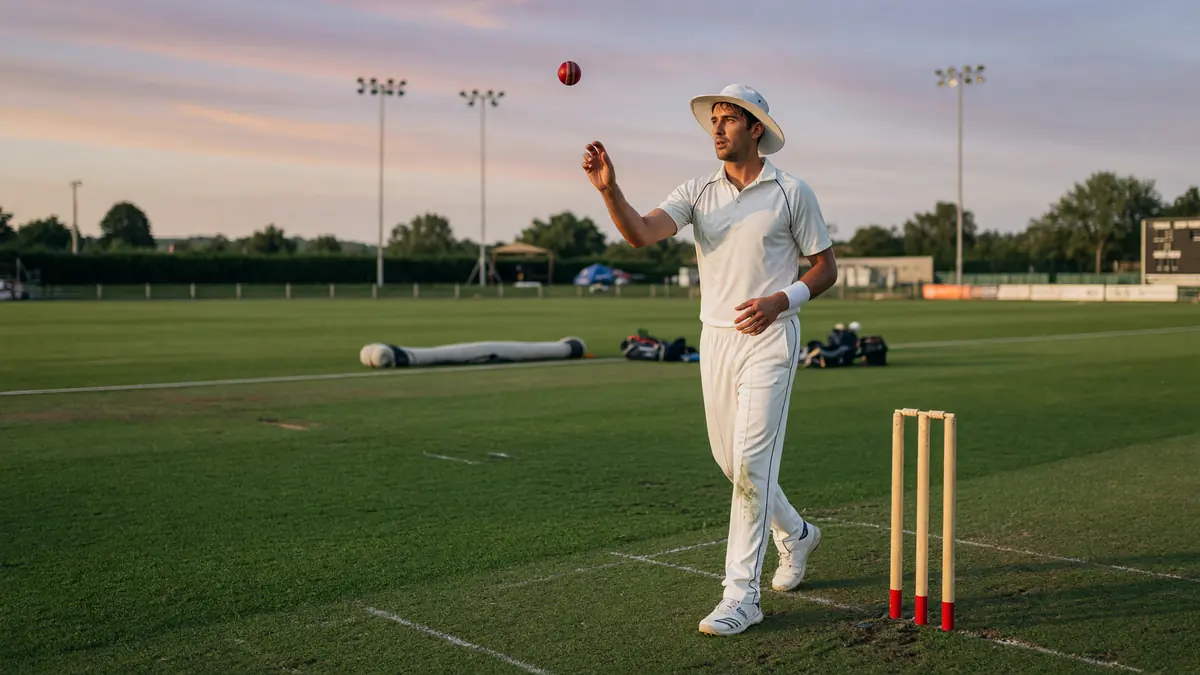
Two different jobs under the same Match 2 lights
Southern Brave host Welsh Fire in Match 2 on 22 July 2026 at 11:00 PM IST at The Rose Bowl, Southampton. The probable Brave XI lists Chris Jordan as captain; the Fire sheet lists Phil Salt as captain and wicketkeeper. Indian viewers can follow the game on Sony Sports Networks, with live stream options on Sony LIV or FanCode.
Captaincy in franchise white-ball cricket rarely means the same fantasy role twice. Jordan is a seam-bowling all-round presence who can close overs and take late wickets. Salt is a top-order batter who keeps wickets and sets the innings tempo. Putting both under a captain label in broadcast graphics can mislead fantasy lineups into treating them as equivalent multiplier candidates. They are not.

What each captain tag actually buys you
01Jordan: floor from overs, ceiling from collapse
Jordan’s captaincy for Brave arrives after the auction signing and is confirmed in the probable XI. In fantasy terms, a bowling captain on a Southampton surface said to aid fast bowlers with the new ball can clear a reliable floor if he bowls through a wicket phase. The ceiling still depends on Fire losing early wickets so that death and middle change-ups stack. Do not auto-multiply Jordan solely because the armband is on the graphic; check the confirmed over allocation after the toss.
02Salt: batting points first, gloves as bonus
Salt is named captain and wicketkeeper for Fire and is expected to lead the push after five editions without a playoff finish. His fantasy value is still driven by balls faced at the top and the keeping bonus on the side. On a new-ball friendly surface, that opens a two-way risk: early dismissal zeros the stack, while a 30-ball start on a compressed 100-ball clock can outscore pure bowling captains. Prefer Salt when you need top-order exposure rather than when you are chasing a pure bowling build.
03Head-to-head colours the public board
Across nine prior Hundred meetings, Southern Brave hold seven wins to Welsh Fire’s one, with one no-result. That 7–1 tilt will push casual ownership toward Brave names, including Jordan. In small fields, mirroring public Brave stacks is fine. In large tournaments, the H2H narrative is already priced in, so a measured Fire top-order or Fire pace differential (Salt, Jansen, or Cox) can separate a lineup without inventing a new matchup story.
How to price the armbands before freeze
Separate team captain from fantasy captain
Jordan and Salt are franchise leaders. Your fantasy multiplier should still go to the player whose role matches the surface and the toss. On a pace-first Rose Bowl note, that often means a new-ball bowler such as Jofra Archer or Marco Jansen rather than the man wearing the armband.
Use H2H as a ownership signal, not a lock
Brave’s 7–1 record against Fire will inflate Brave ownership. Fade only with a clear alternative: confirmed Fire batting order, a toss that softens the chase, or a Fire seamer locked for the new ball. Blind fades of a dominant H2H side usually fail in cash games.
Pair one captain with the complementary skill
If you multiply Salt, balance with Brave pace. If you multiply Jordan, balance with a Fire top-order batter who faces the first 25 balls. Avoid stacking both captains plus four Brave bats — that is three ways of expressing the same public narrative.
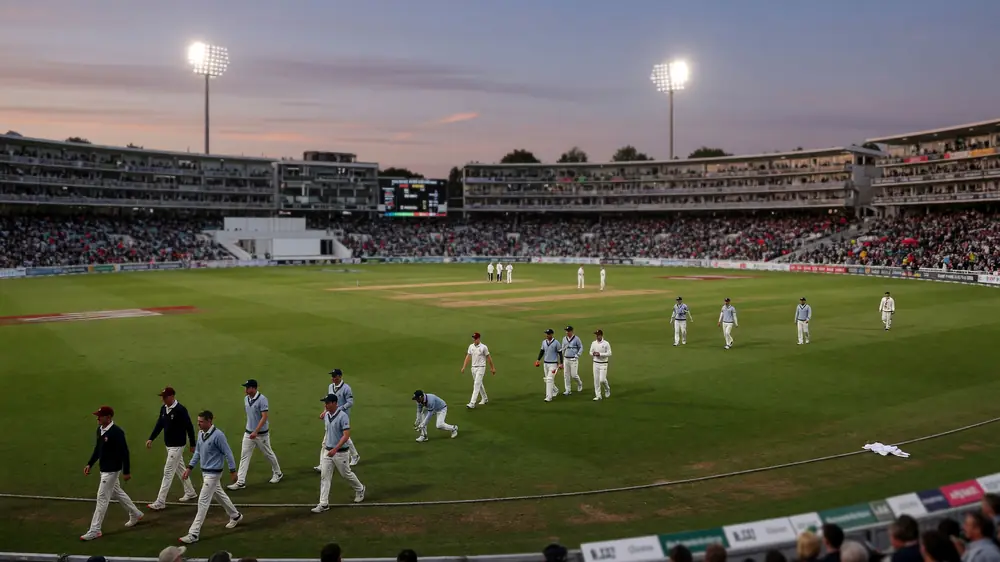
Captains sit inside larger probable groups
The probable Brave XI around Jordan runs Tom Abell, Jamie Smith (wicketkeeper), Thomas Rew, David Miller, Marcus Stoinis, Tristan Stubbs, Nikhil Chaudhary, Jofra Archer, Adil Rashid, and Dan Worrall. Fire’s listed group around Salt includes Jordan Cox, Rachin Ravindra, Joe Root, Matthew Short, Tom Kohler-Cadmore, Marco Jansen, Chris Woakes, Jordan Clark, Lockie Ferguson, and Sam Cook.
Those sheets matter because captain fantasy value is path-dependent. Jordan bowls better when Archer and Worrall have already stressed the top order. Salt scores freer when Cox or Short take pressure off the other end. Treat the captain as one node in a five-player core, not as a standalone badge. For a fuller Match 2 build covering pace lanes and salary construction, see the companion desk note inside Fantasy Cricket.
Why the Rose Bowl note still outranks the armband
ANew-ball bias at Southampton
The venue note for this fixture says the Southampton wicket aids fast bowlers with new-ball assistance, making early batting harder and the toss important. That tilts the entire Match 2 market toward seam overs before it tilts toward any captain narrative. Salt batting through the new ball is a harder path than Jordan bowling it; Jordan still needs wickets in those overs to justify a multiplier over Archer.
BFire’s playoff drought is context, not form
Welsh Fire have not made the playoffs in five editions. Salt is expected to lead that push. Fantasy boards should not convert a multi-year franchise narrative into a single-night Salt multiplier without confirmed batting order and a read on who faces the first over. Long-term storylines move broadcast talk more reliably than they move contest scores.
CWhere Indian captains will watch
Coverage for the fixture is listed on Sony Sports Networks, with streaming on Sony LIV or FanCode. Use the broadcast window to lock confirmed XIs and the toss rather than to chase late social spikes on captain names. Multi-entry players can hold one Jordan-led Brave stack and one Salt-led Fire stack, then cull after the toss instead of guessing ninety minutes early.
Five locks before you submit Match 2
1Confirmed overs for Jordan
If he is not locked for the new ball or the death, drop him from the multiplier shortlist and keep him as a regular bowling slot only.
2Salt’s batting slot
Opening or first drop keeps him viable. A slide to the middle against a fresh Archer spell cuts the ceiling sharply on this surface brief.
3Toss and chase path
A chase on a surface that eases later helps Salt more than Jordan. A bowl-first decision on a seaming night helps the Brave and Fire pacers ahead of either batting captain tag.
4Public Brave lean
Expect inflated Brave ownership off the 7–1 Hundred H2H. Decide early whether you are playing cash (mirror) or tournament (selective Fire pivot).
5One armband only
Stacking both Jordan and Salt as high-salary pieces usually starves the pure pace lane that Southampton is advertising. Pick the role that matches your build, then spend the rest of the budget on Archer, Jansen, Smith, or Cox.
6Next checkpoint
Watch the confirmed XIs and toss from The Rose Bowl before freeze. The next actionable update is not another captaincy essay — it is the official sheet that shows who bowls the first set and who walks out first for Fire.
Ownership geometry when two leaders share a fixture
Fantasy contests punish double-counting. A lineup that multiplies Jordan, loads three other Brave bowlers, and still carries Salt as a safety batter is often expressing three slightly different versions of “Brave should control the night.” That can work in a head-to-head cash race where you want correlation. It fails in large-field tournaments where unique combinations beat loud ones.
A cleaner geometry for most boards is one franchise lean plus one opposing skill. Example: Archer captain, Salt in the XI, Jansen as the Fire bowling pivot. Or Salt captain, Archer and Worrall as the Brave pace pair, with Root or Short as the second Fire batter. Both builds respect the pace-friendly venue note without requiring you to invent form numbers the source never published.
Remember the factual ceiling for this desk brief. The match is listed for 22 July 2026, 11:00 PM IST, at The Rose Bowl. Probable XIs name Jordan (c) for Brave and Salt (c & wk) for Fire. Head-to-head in The Hundred is 9 matches: Brave 7, Fire 1, one no-result. The pitch note stresses new-ball help for pacers. Streaming is on Sony Sports Networks via Sony LIV or FanCode. Stay inside those rails when you argue for a multiplier; anything beyond them is guesswork dressed as confidence.
If Fire finally convert a promising top order into a playoff push, Salt’s captaincy nights will look different by August. Match 2 is still night one of that argument, not the verdict. Build for the surface and the roles in front of you, then let the first 25 balls tell you whether the armband was ever the right fantasy story.
Jordan’s path is simpler to audit after the toss: count his overs, note whether he shares the new ball with Archer or Worrall, and only then decide if the multiplier belongs on the captain or on the strike bowler beside him. Salt’s path is a batting audit: position, powerplay matchup, and whether Fire’s middle order (Root, Short, Kohler-Cadmore) is structured to let him play freely or force him into a recovery innings. Those two audits beat any pre-match slogan about leadership aura.
Finally, keep salary discipline. Captain tags often inflate perceived must-have status on public boards. If Jordan or Salt is priced like a locked premium while a specialist such as Archer or Jansen sits a tier lower with a clearer role, pay for the role. The Hundred compresses mistakes. Paying a premium for a label is one of the faster ways to waste a freeze.