Southern Brave vs Welsh Fire: Fantasy Picks for The Hundred Match 2 at Rose Bowl
Southern Brave open their Hundred Men’s 2026 account against Welsh Fire at The Rose Bowl, Southampton, on 22 July at 11:00 PM IST. For fantasy captains, the story is not a simple team pick — it is a pace-first Southampton surface, a Brave bowling spine built around Jofra Archer and Chris Jordan, and a Fire top order that still needs Phil Salt to set the tempo if five seasons without a playoff run are going to change course.
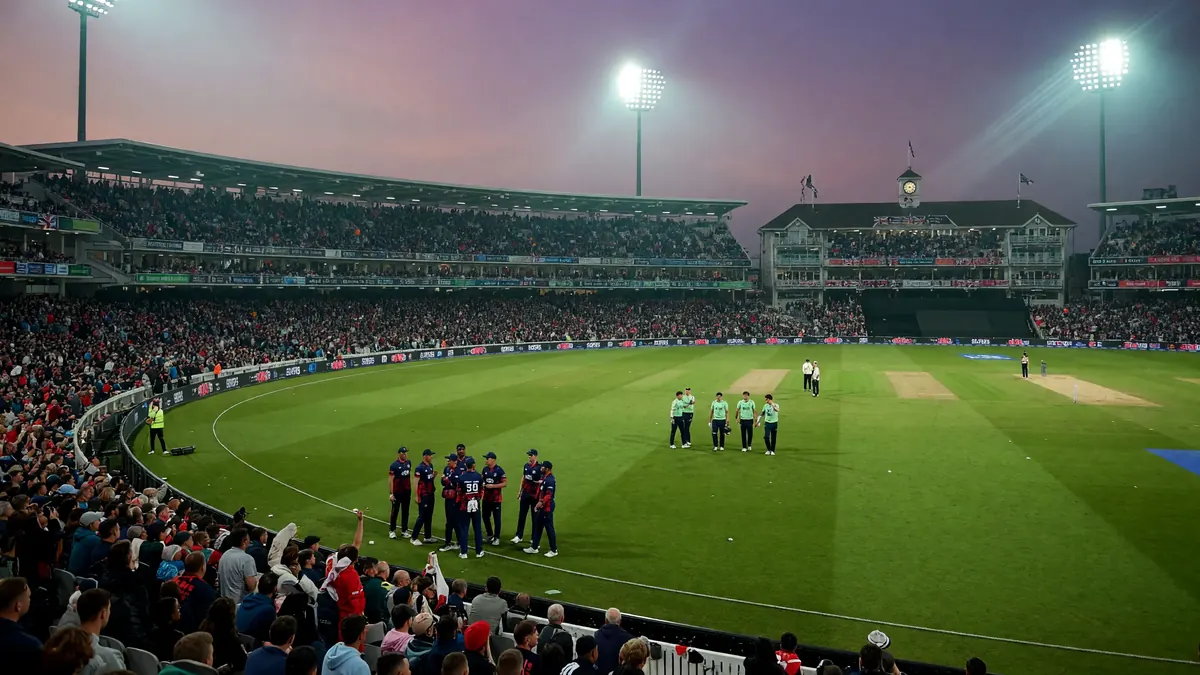
Match 2 starts under lights at The Rose Bowl
Southern Brave host Welsh Fire in Match 2 of The Hundred Men’s Competition 2026 at The Rose Bowl, Southampton, on Wednesday, 22 July 2026 at 11:00 PM IST. Chris Jordan is named captain in Brave’s probable XI after his auction signing. Phil Salt is listed as Fire’s captain and wicketkeeper as the side tries to end a five-edition stretch without a playoff place. Indian coverage is listed on Sony Sports Networks, with live streams on Sony LIV or FanCode.
Fantasy boards for this night will be decided by who faces the new ball and who takes it. Southampton is described as offering early help to fast bowlers, which makes the first batting stretch harder and lifts the cost of a mistimed swing. Keepers who bat high — Jamie Smith for Brave, Salt for Fire — sit at the centre of that problem, because their value stacks keeping bonuses on top of the hardest balls of the night.
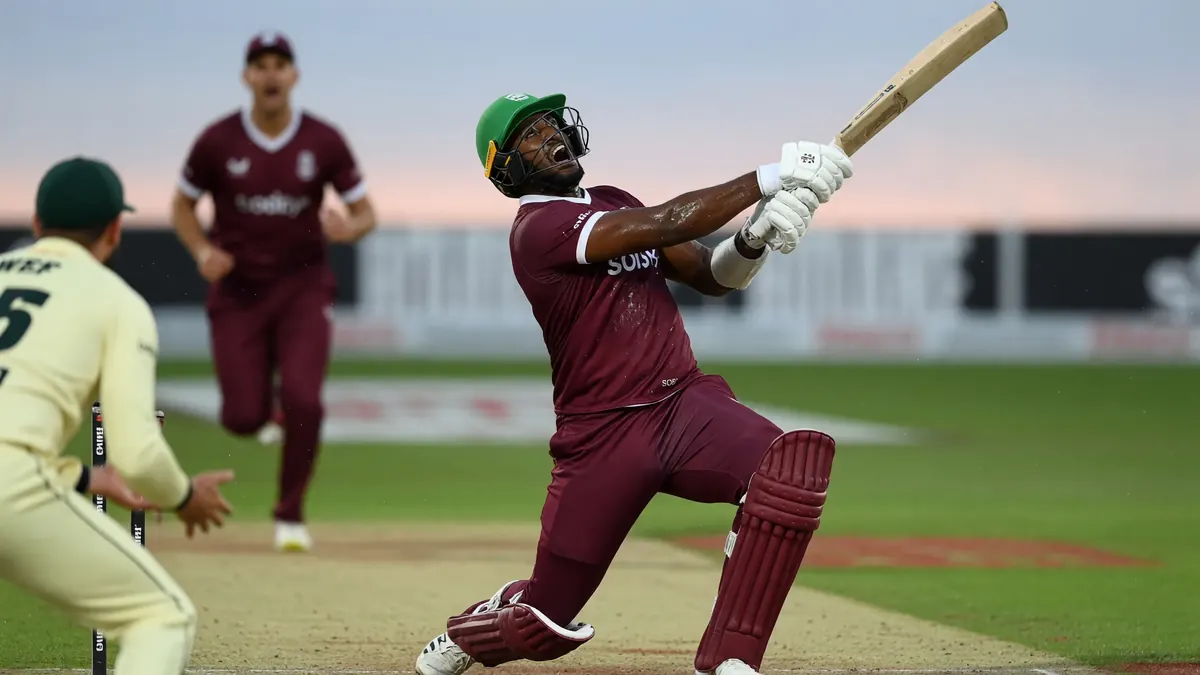
Three decisions that lock the board before the first set
01Captain the role, not the logo
Brave’s auction investment in Chris Jordan and the probable captaincy tag put him on every broadcast chyron, but captain fantasy points still flow from the players who face the most balls or take the most wickets in a short game. Jordan’s death and change-up overs can clear a solid floor; they do not automatically clear a captain ceiling unless Fire collapse early and he bowls through the burst. Treat the team badge as context, then put the multiplier on the player whose role matches the surface.
02Build around new-ball wickets
The pitch brief points fantasy builds toward the opening pace pair rather than a spinner-heavy stack. Jofra Archer is flagged for new-ball wickets in current form; Marco Jansen fills the same brief for Fire. Dan Worrall and Chris Woakes sit behind them as secondary seam options. Adil Rashid remains the Brave middle-overs control pick once the ball is older, not the primary reason to tilt the entire attack toward spin on this ground note.
Ownership will cluster on Archer first. That makes Jansen and, in smaller fields, Worrall the cleaner differential routes if you still want pace exposure without mirroring every public team. The flip side is simple: if the toss hands a side the chase on a surface that eases later, the new-ball haul shrinks and the middle-order batters gain room. Confirm the toss before you freeze multi-entry lineups that are 70 percent pace.
03Keepers who bat high still clear the rest
Jamie Smith is listed as Brave’s wicketkeeper and is highlighted as an underrated short-format batter who can score around the ground. Phil Salt keeps and captains for Fire and is named as the batting key for his side. In fantasy formats that combine keeping bonuses with batting points, those two names sit above pure specialist keepers who bat lower. One of them belongs in most cash builds; stacking both is a tournament move that only pays if both top orders hold against the new ball.
How to assemble a Match 2 XI without chasing noise
Anchor two new-ball bowlers
Start with Archer plus one of Jansen, Worrall, or Woakes. That pairing covers both innings if the surface behaves as the brief suggests. Leave one flex slot for Rashid or a third seamer once the confirmed XI and toss are in.
Split the batting stack by order, not franchise
Salt, Smith, Jordan Cox, Tom Abell, and Matthew Short are the names most likely to face the first 25 balls across both sides. Joe Root and David Miller offer a different profile — calmer middle-phase scoring rather than powerplay chaos. Mix one aggressor with one stabilizer so a single early collapse does not zero your batting column.
Price the all-round lane carefully
Marcus Stoinis, Tristan Stubbs, Rachin Ravindra, and Marco Jansen straddle batting and bowling points. Stoinis and Jansen are the cleaner dual-threat reads on paper; Stubbs and Ravindra need batting time to justify the salary. Avoid loading four all-rounders and starving the specialist pace lane that the venue is advertising.
Wait for the card, then the toss
Probable XIs are a planning tool, not a lock. If Fire promote Kohler-Cadmore or Short, or if Brave shuffle Rew and Abell, the first six fantasy names change before a ball is bowled. The toss then decides whether you lean harder into chasing batters or defending bowlers. Freeze cash teams only after both inputs land.
Reading the probable XIs as a points map
The published probable Southern Brave XI runs Tom Abell, Jamie Smith (wk), Thomas Rew, David Miller, Marcus Stoinis, Tristan Stubbs, Nikhil Chaudhary, Chris Jordan (c), Jofra Archer, Adil Rashid, and Dan Worrall. Fire’s probable side lists Jordan Cox, Phil Salt (c & wk), Rachin Ravindra, Joe Root, Matthew Short, Tom Kohler-Cadmore, Marco Jansen, Chris Woakes, Jordan Clark, Lockie Ferguson, and Sam Cook.
On the Brave sheet, the fantasy spine is Smith at the top, Stoinis as the bridge all-rounder, Jordan as the bowling captain, Archer as the primary wicket threat, and Rashid as the older-ball control option. Miller remains a finisher whose ceiling depends on balls remaining; he is a chase-upside pick more than a set-total anchor. Chaudhary and Rew are the names most sensitive to final confirmation — leave them out of cash cores until the team sheet is official.
On the Fire sheet, Salt and Cox set the early tone, Root offers a technical middle-order floor unusual for a 100-ball side, and Short brings Australian powerplay aggression. The bowling end is deep: Jansen and Woakes with the new ball, Ferguson and Cook as strike options, Clark as the fifth seamer. That depth is good for the real team and awkward for fantasy, because overs can be shared and no single Fire seamer is guaranteed a full allocation. Jansen is still the first Fire bowling ticket because he can add lower-order batting; Ferguson is the pure upside dart if the surface stays lively past the first 20 balls.
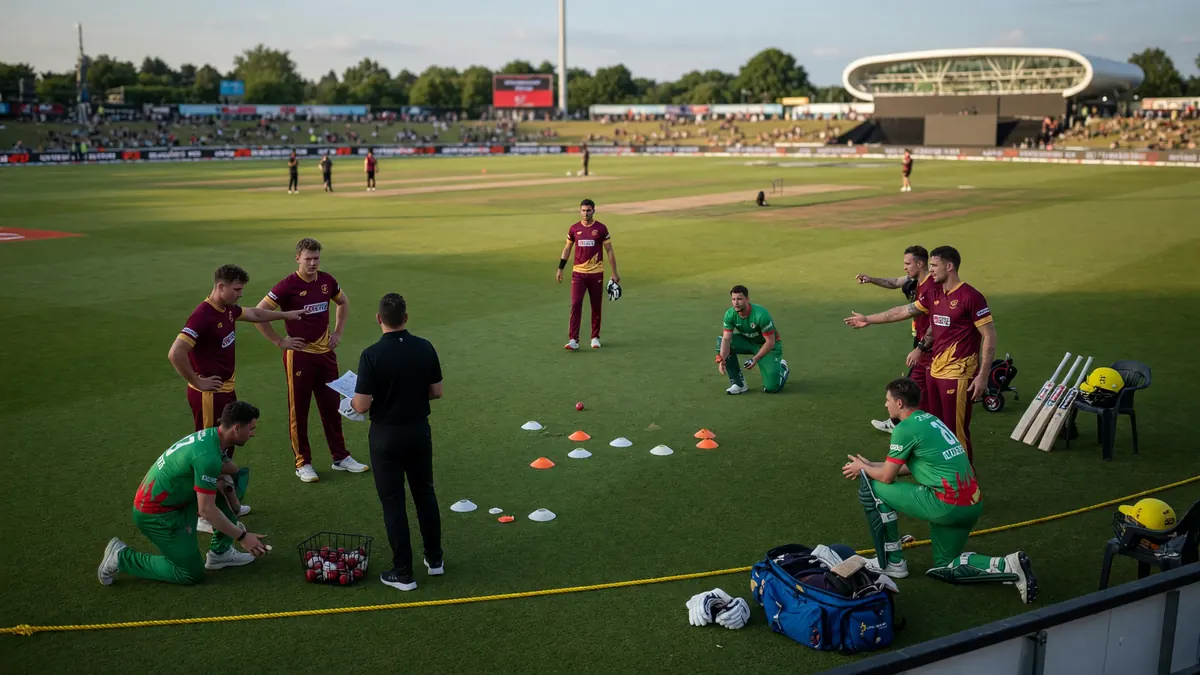
Head-to-head history is a weak fantasy prior
01Seven Brave wins in nine meetings
Across nine previous Hundred meetings, Southern Brave hold seven wins, Welsh Fire one, with one no-result. That record explains why broadcast previews lean Brave, and why one preview desk has already picked Brave on bowling strength. For fantasy scoring, head-to-head is a soft prior. Squads rotate every season, auction hauls rewrite bowling units, and a single seaming night in Southampton can erase three years of batting comfort against the same badge.
02Fire’s playoff drought is motivation, not a points boost
Five editions without a playoff finish puts narrative weight on Salt’s captaincy. Motivation stories fill the hour before the toss; they do not change expected fantasy points unless they show up as a more aggressive powerplay plan or a longer bowling spell for a strike option. Watch the first five sets for intent. If Fire still nudge ones and twos against a moving ball, fade the narrative stack and stay with the seamers.
03Where the public preview and the fantasy sheet diverge
A match-winner pick of Southern Brave is a binary outcome call. A fantasy sheet can still be Fire-heavy on Salt, Jansen, and Root even if you agree Brave are favourites, because underdogs who bat second on an easing surface often outscore favourites on individual leaderboards. Separate the badge prediction from the player projection. The former is for the result market; the latter is what fills your contest.
Player lanes that clear salary on this brief
01Jamie Smith and Phil Salt
Both keep and bat high. Smith is framed as a short-format batter who can score to all parts of the ground; Salt is the named batting key for Fire. In dual-position formats they absorb less risk than a pure bowler captain because a quiet bowling night still leaves batting points on the table. Prefer Salt if you want Fire leverage; prefer Smith if you are stacking the Brave top order behind Archer’s new-ball overs.
02Jofra Archer and Marco Jansen
Archer is the headline new-ball name in current form. Jansen mirrors the role for Fire and adds left-arm angle plus lower-order hitting. If you can only afford one premium seamer, Archer is the cash default on this venue note; Jansen is the pivot when you need a differential path that still respects the pace brief. Lockie Ferguson is the third-rail option — high variance, lower over security if Cook and Woakes share the early overs.
03Chris Jordan, Adil Rashid, Joe Root
Jordan’s captaincy and death overs create a steady floor without guaranteeing a ceiling. Rashid becomes more attractive if the first innings total climbs and the ball stops swinging. Root is the calm middle-order pick if Fire lose two early; he will not match Salt’s upside on a clean powerplay, but he protects against a total wipeout when the new ball dominates the first 20 deliveries.
Frequently asked questions
When and where is Southern Brave vs Welsh Fire Match 2?
The fixture is listed for Wednesday, 22 July 2026, at 11:00 PM IST, at The Rose Bowl in Southampton, as Match 2 of The Hundred Men’s Competition 2026.
How can Indian fans watch the match?
Coverage is listed on Sony Sports Networks, with live streaming available on the Sony LIV and FanCode apps or websites.
Who captains the two sides in the probable XIs?
Chris Jordan is named captain in the probable Southern Brave XI after his auction signing. Phil Salt is listed as captain and wicketkeeper for Welsh Fire.
What does the Southampton pitch note mean for fantasy teams?
The ground brief points to new-ball help for fast bowlers and a tougher start for batters, with conditions improving later. That raises the value of opening seamers and makes the toss a late, high-impact input before you lock lineups.
Is the Brave head-to-head record enough to stack only Brave players?
No. Brave lead the Hundred head-to-head 7–1 with one no-result in nine meetings, but fantasy points follow roles and match-ups on the night. A Fire chase on an easing surface can still fill the top of a fantasy leaderboard even if Brave win the match.
Which bowlers sit at the top of a cash core?
Jofra Archer is the first Brave bowling ticket on the new-ball brief. Marco Jansen is the first Fire bowling ticket because he can add batting. Dan Worrall, Chris Woakes, and Lockie Ferguson fill the secondary seam lanes once salaries allow.
What still has to land on the night
01Confirmed XIs over probable sheets
Thomas Rew, Nikhil Chaudhary, Jordan Clark, and Sam Cook are the names most likely to move between the probable list and the final card. Any promotion of Short or Kohler-Cadmore inside the Fire top four also rewires the early batting stack. Refresh ownership models only after both teams are posted.
02Toss and chase math
If the captain winning the toss bowls first on a surface expected to ease, lean harder into second-innings batters and keep one fewer pure seamer. If a side is asked to bat first under lights with early movement, raise the bowler count and keep finisher exposure light until the total is posted.
03The next checkpoint after Match 2
Once this fixture is done, the next useful fantasy signal is not the result margin — it is which seamers completed full spells and which middle-order batters faced more than 20 balls. Those two numbers tell you whether Southampton played to the pre-match brief and how to weight the next Brave and Fire games on the Hundred calendar.
Keep building match-night lineups
→Fantasy Cricket Strategy
Captain math, points rules, and venue reads across league and international cricket — the desk method behind every Match 2 checklist.
→Predictions
Match-by-match fantasy projections with track records updated through each contest window.
→Players
Active profiles with venue splits, differential ratings, and form windows used across captain calculations.