IRE vs AFG 1st ODI at Bready: Playing 11, Pitch Notes, Weather and the Battles That Decide the Series Opener
Ireland open a three-match ODI series against Afghanistan at Bready Cricket Club on Wednesday, 5 August 2026, with the first ball scheduled for the afternoon block and live coverage on the usual white-ball broadcasters. Ireland carry momentum from a 2-0 home T20I win over India, while Afghanistan limp in from a 0-3 ODI loss to the same opponents. The preview below locks the predicted XIs, the Bready pitch read, the weather call, and the three player battles that should decide fantasy captain tags.
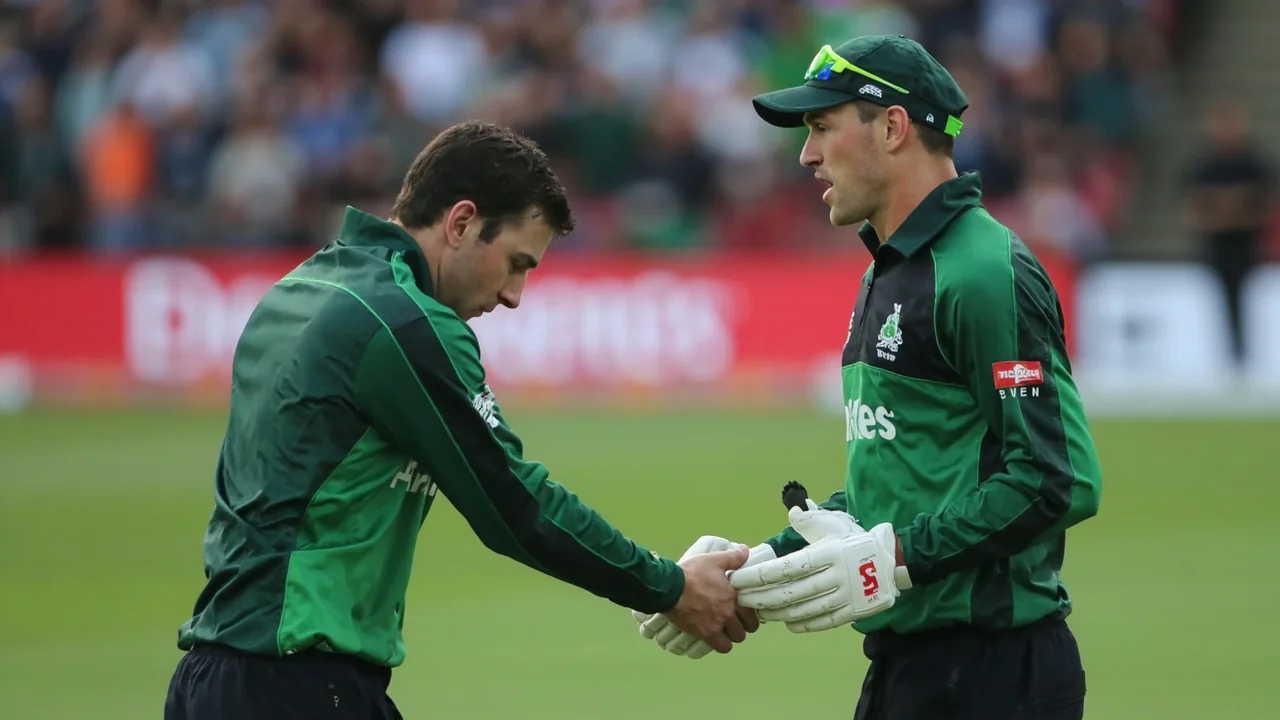
Why the opener in Magheramason reads differently
A three-match ODI series that opens at Bready, a venue that has hosted only one men's ODI to date, is a fixture built on recent form and role clarity rather than venue history. Ireland arrive with confidence after taking the T20I series 2-0 against India, with Paul Stirling leading the squad and the seam unit still missing Josh Little, Craig Young and Barry McCarthy through injury. Afghanistan, by contrast, have just been whitewashed 0-3 in the ODI leg against India, with captain Rahmat Shah looking to reset the side around Rahmanullah Gurbaz and a returning Fazalhaq Farooqi. The published head-to-head across 31 ODIs reads Afghanistan 18, Ireland 12, with one match ending without a result, a lean that does not match the more recent trajectory but still informs how fantasy boards price the opposition.
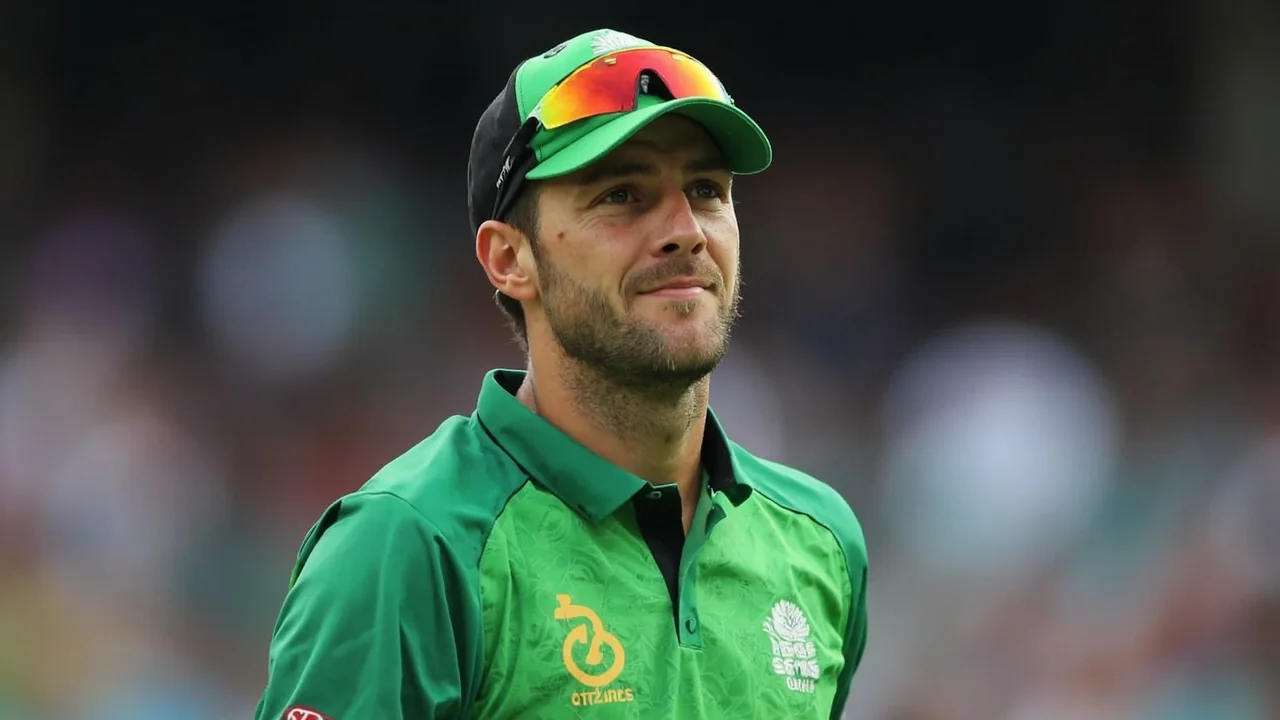
What the Bready surface gives fantasy captains
01Early pace, late dew
Bready Cricket Club has staged only one men's ODI on record, so the working dataset leans on recent women's ODIs and the longer domestic sample. The pattern is consistent: fast bowlers find lateral movement in the first six overs through cloud cover, spinners gain value once the ball is older, and the chase tends to hold the edge once dew settles in the evening. Two women's ODIs at the venue in the past month were both won by the side chasing, with targets of 242 and 270 successfully pulled down. That history points to a clear captain cue: load the second-innings batting and protect one death-over seamer slot rather than chasing early wicket points at the cost of overs at the back end.
The expected first-innings band sits between 240 and 250, with anything above 260 rated competitive rather than commanding. For fantasy boards, that means a 260-plus first innings is not yet a lock, and a 230-250 chase is still winnable. The price of an extra bowler or batter is decided by which total the side batting first actually posts, not by averages.
02Cloud cover and the toss window
Weather forecasts for the match window keep the temperature in the 14 to 17 degree Celsius range with fully overcast skies, humidity between 90 and 100 percent, and rain probability flagged anywhere between 35 and 95 percent across the latest reads. The expected toss call from the briefing is to bowl first, both because of the cloud movement and because chasing at Bready has been the higher-success pattern. A rain interruption is possible even if the full match is completed, so fantasy boards that depend on a single batter's quota should keep one flex slot open until the playing XIs are confirmed.
For captain selection, the cloud cover and lateral movement push the new-ball seamers into the bowler captain conversation. Expect a tighter first-innings powerplay run rate than the model default for a 50-over chase, and be ready to overweight wickets in the first ten overs if the side batting first is asked to bat on a still-green surface.
03Reading the recent chase record
The two recent women's ODIs at Bready both saw the chasing side win from totals of 242 and 270. That is a small sample, but it tells a usable story: the surface holds batters well once the ball softens, and dew compresses the difference between the sides. Fantasy boards that mirror the venue's pattern typically use a 2-4-2-3 or 2-3-3-3 split with two keeper options, three to four frontline batters, two to three all-rounders and a three-man bowling spine. Bowling on this surface is about role clarity, not about loading a fourth seamer.
Where the venue history stops helping is in pricing the new faces. Ireland's squad has called up Byron McDonough and Ben Calitz for maiden ODI berths, and Afghanistan's XI will likely rotate around the returning Fazalhaq Farooqi. Treat the venue read as a baseline and the player roles as the variable you actually price.
Predicted playing XIs before final confirmation
Ireland predicted XI
Paul Stirling (c), Andrew Balbirnie, Harry Tector, Lorcan Tucker (wk), Curtis Campher, George Dockrell, Andy McBrine, Mark Adair, Barry McCarthy, Craig Young, Josh Little. The published injury list still rules out Josh Little, Craig Young and Barry McCarthy, so the final eleven will likely include Ben Calitz and Byron McDonough as maiden ODI players alongside the available senior seamers. The bowling spine is built around Mark Adair at the death with George Dockrell and Andy McBrine as the spin options through the middle overs.
Afghanistan predicted XI
Rahmanullah Gurbaz (wk), Ibrahim Zadran, Rahmat Shah (c), Hashmatullah Shahidi, Najibullah Zadran, Mohammad Nabi, Rashid Khan, Azmatullah Omarzai, Mujeeb Ur Rahman, Fazalhaq Farooqi, Noor Ahmad. Mohammad Nabi has opted out of this series and Mujeeb Ur Rahman is injured, so the final eleven will likely bring in a batting all-rounder and rotate the spin combination around Rashid Khan and Noor Ahmad. Fazalhaq Farooqi's return gives Afghanistan the new-ball option they missed during the India ODI series.
What still can flip
Predicted XIs are not confirmed team sheets. Late fitness checks on the injured Ireland seamers, an Afghanistan selection call on the second spinner, and a toss-driven bowling change can still move one all-rounder or one keeper. Lock core names first, then leave one flex slot open until the final eleven is posted. The maiden ODI call-ups for McDonough and Calitz are the names worth watching if the Ireland squad wants to test a bench option before the second ODI.
Three matchups that decide fantasy boards
01Stirling vs Farooqi at the top
Paul Stirling has the senior Ireland batting role on a Bready surface that offers lateral movement early, and Fazalhaq Farooqi returns to lead the Afghanistan new ball after the India ODI tour. The first ten overs of the powerplay will be shaped by how many balls Stirling faces against Farooqi's left-arm swing and what he does with the new-ball moment. A captain tag on Stirling makes sense in single-entry boards when the model already prices him as Ireland's strongest batter, especially if the toss confirms a chase and the cloud cover thickens.
If Stirling falls early, the captaincy rotates to Harry Tector and the middle order. The cleaner ladder is to keep Stirling as primary captain, Tector as vice-captain, and Adair as the bowling-captain differential only in small-field contests where bowling ownership is compressed.
02Gurbaz vs Adair in the powerplay
Rahmanullah Gurbaz as vice-captain and wicketkeeper opens the Afghanistan innings, and the likely Irish counter is to test him with Mark Adair's seam-up lengths in the first six. Adair's role at the death is well known, but his work against the new ball is what will decide whether Ireland's chase boards hold firm. If Gurbaz gets past the powerplay, the chase differential shifts toward Afghanistan and the captain hierarchy needs to flex.
Fantasy boards that load both a Gurbaz keeper tag and a Stirling captain tag should keep one alternate batting slot open until the toss. That single flex is enough to cover the most likely Gurbaz-vs-Adair outcomes without rebuilding the entire eleven.
03Tector vs Rashid in the middle
Harry Tector's middle-overs match-up against Rashid Khan is the third battle the source dossier flags, and it is the one that will most influence the chess of the chase. If Tector can absorb Rashid's first three overs without losing a wicket, Ireland's chase board holds its ceiling. If Rashid picks up an early wicket, the model shifts toward the Afghanistan bowling unit and the captain tag rotates back to the seamers. The middle-over economy rate here is more important than the wicket column for fantasy purposes.
For differential boards, a unique Tector captain tag is the cleanest read into the Rashid match-up. For ownership-heavy boards, the same match-up functions as a vice-captain anchor: Tector's ceiling is highest when Rashid is being bowled at him, and his floor is still usable when Rashid is held back.
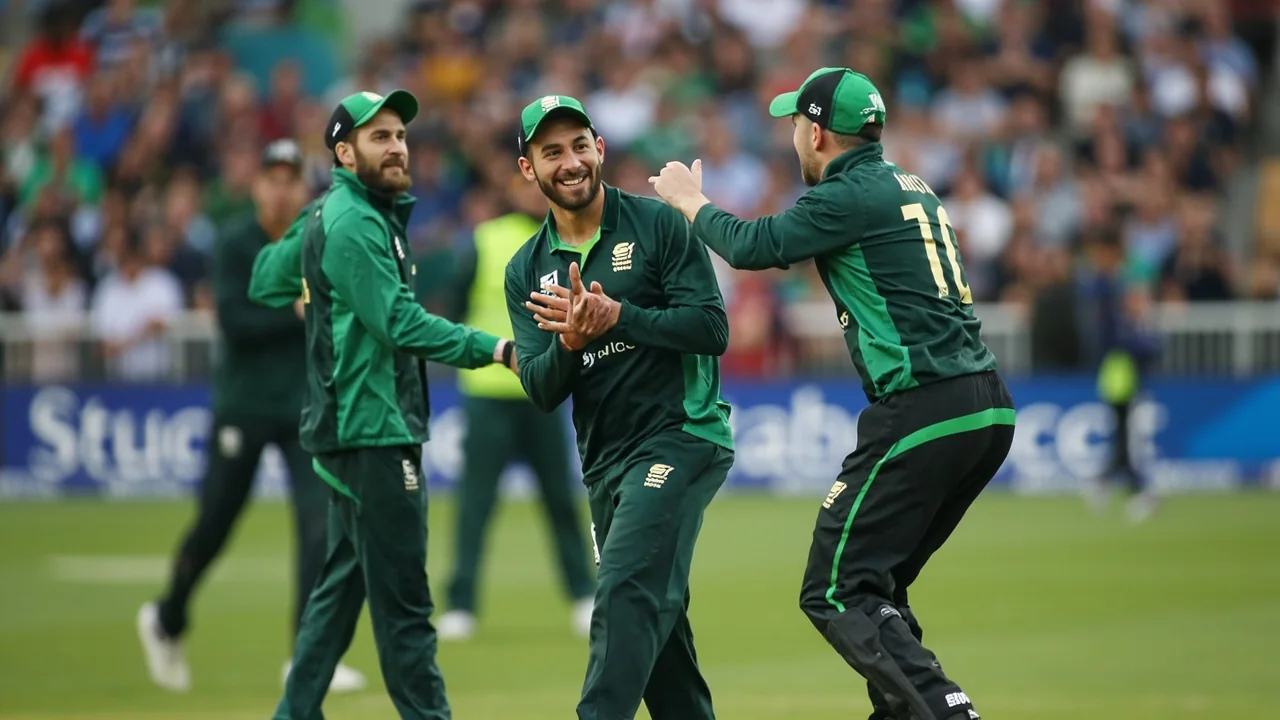
How to lock the captain tags without guessing the toss
01Start with five locked cores
Lock the captain (Stirling or Rahmat Shah), the wicketkeeper (Lorcan Tucker or Rahmanullah Gurbaz), one new-ball seamer (Mark Adair or Fazalhaq Farooqi), one middle-order anchor (Harry Tector or Hashmatullah Shahidi), and one specialist bowler (Rashid Khan or Noor Ahmad) before reading any social tip sheet. Those five names cover leadership, gloves, new ball, middle overs and a spin wicket. Everything else is salary management and a toss response. Readers who begin with fringe all-rounders and reverse into the cores usually end with unbalanced overs and a thin top order.
Once the five are set, fill the remaining six from the predicted XI lists rather than from recent ODI form in unrelated fixtures. Role continuity inside this contest matters more than form borrowed from a different venue or a different bowling attack.
02Leave one toss-flex slot
Keep a single batting or bowling flex open until the toss. If the chasing side is confirmed and dew is visible in the warm-up, swap a first-innings death bowler for a second-innings middle-order batter. If the side batting first looks stronger on paper and the pitch still looks dry, hold the bowling spine and resist the urge to stack seven batters. The published briefing suggests the toss-winning captain will likely bowl, and Bready's recent chase record points the same way, so the flex is more often used to lift second-innings batting than to add another seamer.
That single flex is enough for most single-entry boards. Multi-entry players can mirror the same core five and flip two slots across three teams rather than building three unrelated elevens. Correlation, not volume, is what separates disciplined stacks from random noise.
03Names to leave off the board
The clearest avoid list for this preview is the Ireland seamers still recovering from injury. Josh Little, Craig Young and Barry McCarthy are ruled out for the series opener, so do not spend a roster slot on a name that will not be on the official team sheet. Mohammad Nabi and Mujeeb Ur Rahman are similarly unavailable for Afghanistan, with Nabi opting out and Mujeeb ruled out by injury. Slot those names off the board until a confirmed selection says otherwise.
Also be cautious about the maiden ODI call-ups McDonough and Calitz on the Ireland side. If they are listed in the confirmed XI, reassess and price them against the actual batting order. If they are not in the XI, do not spend a flex slot on a debut appearance that may not include a full batting or bowling quota.
Match-day checklist for fantasy captains
Confirm the final elevens
Predicted lists are a planning tool. The official team sheet is the source of truth. Rebuild only the slots that actually change; do not tear up a stable core because one fringe name moves.
Read the toss against the cloud
If the chase is chosen, raise second-innings batting weight and protect the death-over seamer. If the side batting first posts a 240-plus total, lean away from a pure chasing board and anchor on the new-ball wickets.
Re-check captain tags only once
One post-toss captain review is enough. Endless late swaps usually trade a researched ladder for broadcast momentum. Stick to the Stirling-Tector hierarchy unless a confirmed absence forces the issue.
What the 18-12 head-to-head really says
01Historical lean, recent form
Afghanistan's 18-12 lead over Ireland across 31 ODIs is a real head-to-head, but it is dated. Ireland's T20I series win over India, even in a different format, is the more recent indicator of where the squad sits. For fantasy boards, the historical lean is a soft prior: it tells you that Afghanistan deserve favourite-by-default credit on neutral ground, but it does not lock the captain tag for a Bready opener where chase and seam matter more than the longer ledger.
Treat the 18-12 record as context for the run of the series rather than as a hard signal for the first ODI. The second and third ODIs at the same venue will give the model more to work with; the first ODI is still a venue-driven fixture.
02Where the differential edge sits
Expect heavy public ownership on Stirling and Gurbaz after the T20I form story. That is correct behaviour in small fields and still acceptable in large fields if you need floor. Differentiation then moves one tier down: a McBrine or Dockrell spin differential, a Tector captain tag against Rashid, or a Farooqi vice-captain differential in single-entry boards. The edge is rarely inventing a sixth-choice captain; it is choosing the cleaner secondary correlation.
If your platform shows the Ireland captain above 50 percent ownership before lock, keep him in most single-entry teams and use the vice-captain slot or a second all-rounder for uniqueness. Fighting the entire field on the primary captain in a chase-friendly fixture is usually a low-percentage protest.
03Streaming and timing logistics
Live streaming is on the standard white-ball broadcast partners, and the afternoon start gives fantasy board builders time to react to warm-up news before lock. Use that window for team-sheet confirmation, not for rewriting the entire strategy. The captains who finish ahead on days like this are usually the ones who made two precise edits, not twelve emotional ones.
After the match, log three things: captain result, one successful differential, and one miss with a reason. That short journal beats a long recap and feeds the second ODI at Bready with cleaner priors. For readers who follow the rest of the calendar, the same checklist carries across the next match preview on the daily desk.
Frequently asked questions
When and where is the IRE vs AFG 1st ODI?
Ireland host Afghanistan in the first ODI of a three-match series at Bready Cricket Club in Magheramason on Wednesday, 5 August 2026. The first ball is scheduled for the afternoon block, with broadcast on the standard white-ball partners.
What does the Bready pitch report suggest for fantasy teams?
Bready has hosted only one men's ODI. Recent women's ODIs at the venue were both won by the side chasing from totals of 242 and 270. Fast bowlers find lateral movement early under cloud cover, spinners gain value in the middle overs, and the average first-innings band sits between 240 and 250.
What is the weather forecast for the 1st ODI?
The forecast for the match window keeps temperatures between 14 and 17 degrees Celsius with fully cloudy skies, humidity between 90 and 100 percent, and rain probability listed between 35 and 95 percent across the latest reads. The expected toss call is to bowl first, with dew likely to help the chase.
Which Ireland players are unavailable through injury?
Josh Little, Craig Young and Barry McCarthy are ruled out of the series opener through injury. Byron McDonough and Ben Calitz have received maiden ODI call-ups as the squad reshapes its seam options around Mark Adair and the available spinners.
What is the head-to-head record between Ireland and Afghanistan in ODIs?
Afghanistan lead the ODI head-to-head 18-12 against Ireland across 31 matches, with one fixture ending without a result. The 18-12 lean is a historical prior, not a hard signal for a Bready opener where chase and seam matter more than the longer ledger.
Who are the suggested captain and vice-captain for the 1st ODI?
The core suggestion lists Paul Stirling as captain and Harry Tector as vice-captain for Ireland boards, with Rahmanullah Gurbaz and Rahmat Shah as the Afghanistan-heavy ladders. Mark Adair and Rashid Khan are the bowling-captain differentials for small-field contests.
Continue with the COME SPORTS archive
→Match Predictions and Models
Match-by-match fantasy projections with track records and Brier scores updated through each contest window.
→Fantasy Cricket Strategy
The wider library covering captain picks, points systems, venue splits and live strategy across domestic and international cricket.
→Players
Active profiles with venue splits, differential ratings, and the form half-life used across our captain calculations.